
Becoming a certified Pilates instructor opens a wide range of career possibilities. The fitness industry continues to grow, and Pilates remains in high demand because of its low-impact approach and long-term benefits. Completing a pilates instructor course gives future instructors the foundation they need to pursue several professional paths, each offering different experiences, income opportunities, and teaching environments. This article explains the main career options available today and how instructors can shape a sustainable future in the field.
Working in a Pilates Studio
Studio work is the most traditional career path for certified instructors. It provides a structured environment and access to equipment that many clients expect. Instructors gain steady schedules and consistent clientele, which helps them develop stronger teaching skills. Studios also create a supportive setting where new instructors can learn from experienced teachers. This makes the transition from training to real sessions smoother. The routine helps instructors maintain discipline and refine their teaching style over time. Working in a studio also exposes instructors to group classes, private sessions, and specialty programs.
Joining a Fitness Center or Gym

Many instructors choose to work in larger fitness facilities. Gyms often attract individuals who want a balanced workout plan. This exposes instructors to clients with different skill levels and goals. The work environment also tends to be fast-paced. Instructors may teach more classes and meet a broader range of people. This experience helps them adapt their teaching to different needs. Gyms may not offer as much specialized equipment as Pilates studios, but they provide stability and access to regular foot traffic. This makes it easier for instructors to build a growing client list.
Becoming a Freelance Instructor
Freelancing allows instructors to design their own schedules and work with clients on a personal level. This path offers flexibility and independence, which many instructors enjoy. Freelancers can teach in community spaces, clients’ homes, or rented studios. They control pricing, session formats, and class sizes. This makes it possible to create a more unique teaching approach. Freelancers must manage their own bookings, marketing, and communication, but the freedom often outweighs the extra tasks. They also develop strong client relationships, which support long-term business growth.
Teaching Pilates Online
Online teaching has become a major opportunity in the fitness world. Many instructors now teach live virtual classes or record sessions for digital platforms. Online work reaches audiences far beyond local communities. It also removes geographical limits. Instructors can create subscription-based programs, sell digital courses, or offer private online sessions. The online space demands strong communication skills and clear demonstrations. Instructors must adapt their teaching style to maintain engagement through a screen. With the right setup, online teaching becomes a sustainable and scalable income source.
Specializing in Niche Pilates Training
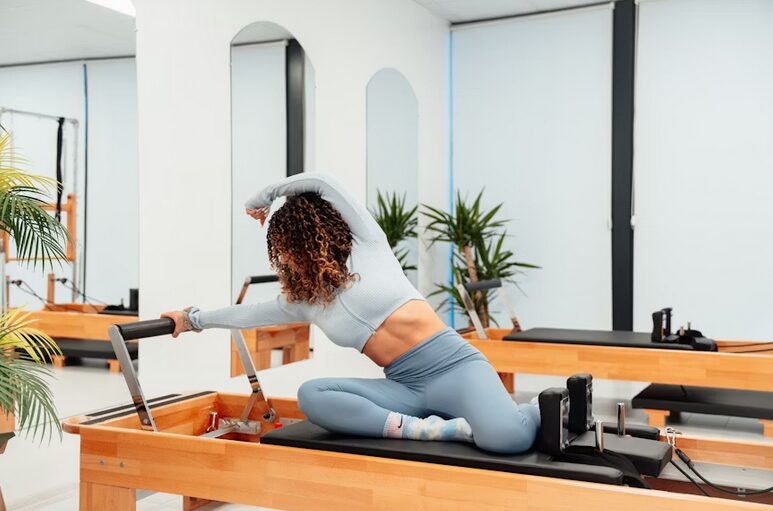
Specialization expands career opportunities. Many instructors pursue training in areas such as pre- and postnatal Pilates, sports performance, or rehabilitation-focused methods. These niche areas attract clients who want targeted support. They also help instructors stand out in a competitive market. Specialization requires ongoing education, but it leads to deeper expertise and higher earning potential. It allows instructors to guide clients with specific needs while supporting a more diverse teaching portfolio. A niche also encourages instructors to refine their approach with the utmost care and accuracy.
Building a Personal Pilates Brand
Brand building plays a major role in career growth. Instructors build a reputation by developing a consistent teaching style, professional presence, and strong client relationships. Branding involves shaping how others view your expertise. It includes your communication, your online presence, and the value you provide. A recognizable brand makes it easier to attract clients, whether you teach in a studio, gym, or online. It also builds trust. Many clients return to instructors they connect with. Brand growth happens through reliability and continued improvement.
Growing a Pilates Business
Some instructors choose to move beyond teaching and open their own studios. This requires planning, investment, and management skills. Owning a studio offers complete control over class schedules, teaching styles, and client experience. It creates long-term growth potential. Business ownership also brings higher responsibility. Instructors must manage finances, marketing, and daily operations. They must ensure the space provides a professional atmosphere that supports client progress. For those who enjoy leadership and creativity, studio ownership becomes a rewarding path.
Long-term success depends on consistent learning, adaptability, and a passion for helping others move well. The Pilates field changes as new techniques and teaching strategies emerge. Instructors benefit from staying updated with ongoing training. They also thrive when they stay open to different teaching environments. Whether working in a studio, freelancing, or teaching online, instructors must maintain professionalism and clarity. A balanced combination of discipline, curiosity, and client-focused teaching builds a stable and satisfying career. This creates a future where growth continues without limits.