

Learning efficiently is not just about studying harder. It’s about training your brain to process, retain, and recall information effectively. The human brain is adaptable, capable of improving its performance through consistent habits and mental exercises. Whether you’re a student, professional, or lifelong learner, understanding how to optimize your brain’s capacity can lead to sharper thinking and faster mastery of new skills. The process requires focus, structure, and a willingness to challenge how you approach learning itself.
Understanding How the Brain Learns
The brain forms new connections each time you absorb new information. These neural pathways strengthen through repetition and engagement, shaping how you understand and remember concepts. Active learning, such as explaining ideas out loud or applying them to real-world problems, helps reinforce these pathways. Passive reading or memorization alone is less effective. By understanding that learning is a physical process of building and maintaining brain connections, you can create methods that work with your brain’s natural design rather than against it.
Building the Right Mindset for Growth
A growth mindset is the foundation for better learning. Believing that intelligence and ability can be developed encourages persistence, especially when faced with challenges. Mistakes are not signs of failure but opportunities to refine understanding. Training your brain involves curiosity and patience. When you accept that improvement is gradual, learning becomes more rewarding. This shift in mindset helps remove the pressure to be perfect and replaces it with the motivation to progress, which is essential for sustaining long-term learning habits.
Strengthening Memory and Retention
Memory is central to effective learning. Strengthening it requires active engagement. Techniques like spaced repetition, visualization, and storytelling help information stick longer. The brain remembers better when it associates facts with meaning or emotion. For example, turning abstract data into a visual image creates a stronger mental link. Another key factor is that sleep rest consolidates memories, allowing new information to move from short-term to long-term storage. Consistent sleep patterns and stress management play vital roles in keeping the mind alert and receptive.
Improving Focus and Attention

Focus is a skill that can be trained. Reducing distractions, setting specific goals, and working in short, concentrated bursts improve productivity. The Pomodoro technique, working in timed intervals followed by short breaks, helps maintain high concentration without burnout. Meditation and mindfulness practices also strengthen attention by teaching the brain to stay present. Over time, these habits increase mental endurance. Training your brain to focus doesn’t happen instantly, but steady practice leads to significant improvement in how efficiently you learn and perform complex tasks.
Fueling the Brain with Proper Nutrition
What you eat directly affects how well your brain performs. Foods rich in omega-3 fatty acids, antioxidants, and vitamins support cognitive function. Hydration also matters. Dehydration can reduce focus and reaction time. A diet balanced with fruits, vegetables, whole grains, and healthy fats enhances brain activity and prevents fatigue. Avoiding excess sugar and processed foods ensures steady energy levels throughout the day. Proper nutrition, paired with regular exercise, creates a strong foundation for mental clarity and sustained attention during study or work.
Using Technology Wisely for Cognitive Growth
Technology can either enhance or hinder brain performance depending on how it’s used. Digital tools like note-taking apps, flashcard software, and online courses can accelerate learning when used strategically. However, constant notifications and multitasking can overwhelm your attention span. Setting limits on screen time and engaging with information mindfully prevent cognitive overload. Interactive learning platforms that challenge problem-solving and creativity stimulate deeper understanding. Technology should serve as a support system, not a distraction, to maintain balanced and intentional learning habits.
Practicing Lifelong Learning Habits
The brain thrives on novelty and challenge. Learning new languages, instruments, or skills keeps neural connections active and adaptable. Reading diverse materials broadens perspective and improves critical thinking. Surrounding yourself with intellectually stimulating environments also encourages growth. Making learning part of your routine, whether through hobbies or professional development, keeps your brain agile. Consistency matters more than intensity. Small daily efforts produce lasting results. Treat your brain like a muscle. It strengthens with use and engagement. Lifelong learning is the ultimate path to mental resilience.
Training your brain for faster and smarter learning is a continual process that blends mindset, practice, and lifestyle. By focusing on memory, nutrition, attention, and consistent learning habits, you can unlock greater mental potential. The goal is not just to absorb information but to think critically, adapt quickly, and retain knowledge effectively. With the right approach, your brain becomes a dynamic tool capable of growth at any stage of life. True intelligence lies in how you nurture and challenge your mind every day.…
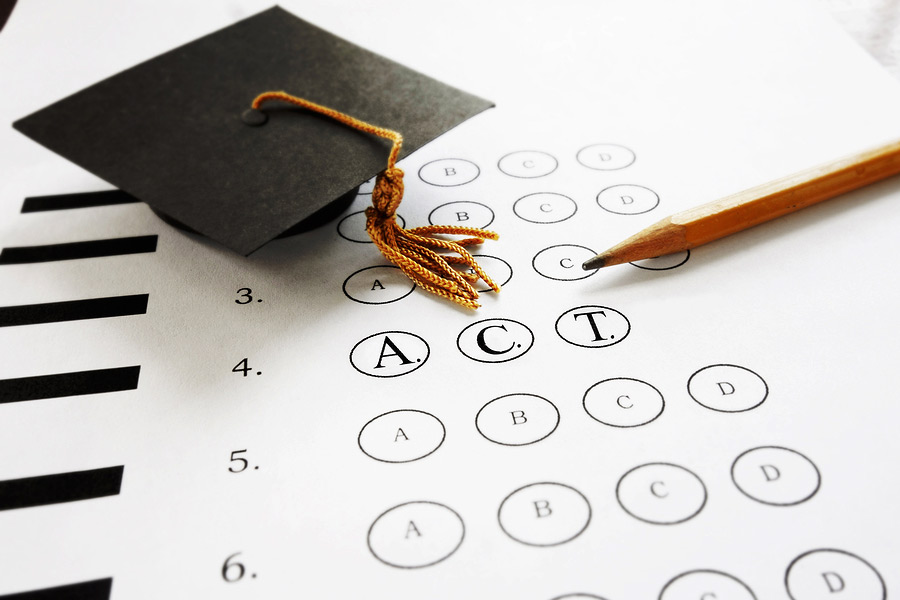
 The first step is to come up with a study schedule. It is important to plan your time effectively so that you can get the best from your time. Always select the right time to study and make it as consistent as possible. The best time for many people is waking up a little early.
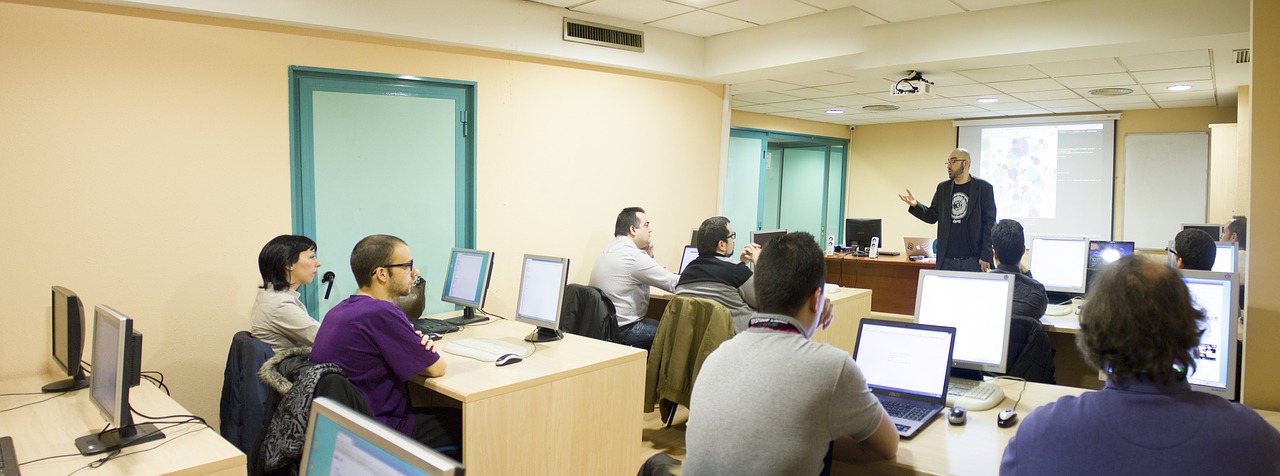


 The first and most important requirement for landing a job at a luxurious yacht are the education and training. No reputable maritime traveling agency would even think about hiring a crew member that has no education, skill and critical training. That is why you need to apply for and ultimately finish at least one of many maritime training courses. These courses, which can include a deckhand course or an STCW course, are offered by a large number of various schools and other institutions and organizations. Most of them are aimed at teaching the students specific things, so you will be able to choose which one you want to finish. Make sure to finish a course, or some courses, which will best suit your needs and the needs and requirements of your potential employees.
 An age-old method, but still quite effective. If you are intent on finding a good yacht crew job, make sure to walk the docks now and then. This activity is extremely simple and involves nothing more than just walking up and down the piers and docks and talking with anyone that might know about available crew positions. These include the captains and other high-ranking officers, as well as the lowest-ranking crew members. By walking the docks, various people will be able to meet you and get to know you face-to-face, which will allow you to show them that you are highly enthusiastic and competent to work on a yacht.

 3. Stay in touch with your loan servicer
 regular metrical beats. It can be set in beats per minute (BPM). It helps you maintain an established tempo while practicing guitar. It is a recommended tool because it helps play rhythm accurately.
 6. PRACTICE – Set aside at least few minutes of your time every day to rehearse playing techniques. You can even do silent rehearsing. It will help a lot if you have a good playing habit.